Knowledge Sharing
Choosing between sintered stone and quartz for countertop? Consider usage frequency, budget, and cleaning habits first
Sintered stone and quartz each have their usage boundaries. For open-plan kitchens, island counters, heavy cooking, and long-term owner-occupied projects, focus on comparing heat resistance, stain resistance, dimensions, seaming, and budget.
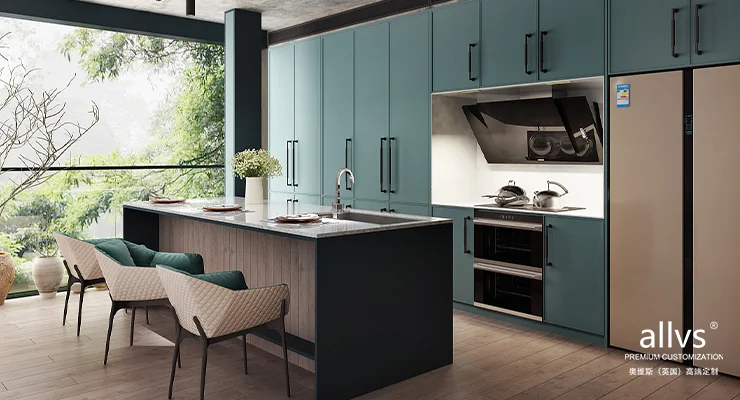
Start by assessing the usage scenario
Countertops are not just about appearance. Open-plan kitchens, island counters, high-frequency cooking, temporary hot pot placement, dark-colored stains, and cleaning habits all affect material choice. With a sufficient budget, focus on learning about sintered stone; with a limited budget, still choose reliable brands and suitable colors.
Compare heat resistance, stain resistance, and seaming
Sintered stone typically has more advantages in heat resistance, stain resistance, and large-format expression, but comes with a higher price and more demanding fabrication requirements. Quartz is widely used, but low-priced products require vigilance against staining, cracking, and unclear sourcing issues.
Bring the plan back to the checklist
When consulting allvs for custom kitchen, you can request clarity on countertop brand, thickness, fabrication method, cutouts, splashback, seaming, installation, and after-sales terms. The truly suitable countertop is a balance of material performance, budget, and usage habits.